Understanding YAN Management in Winemaking: The Science of Yeast Nutrition
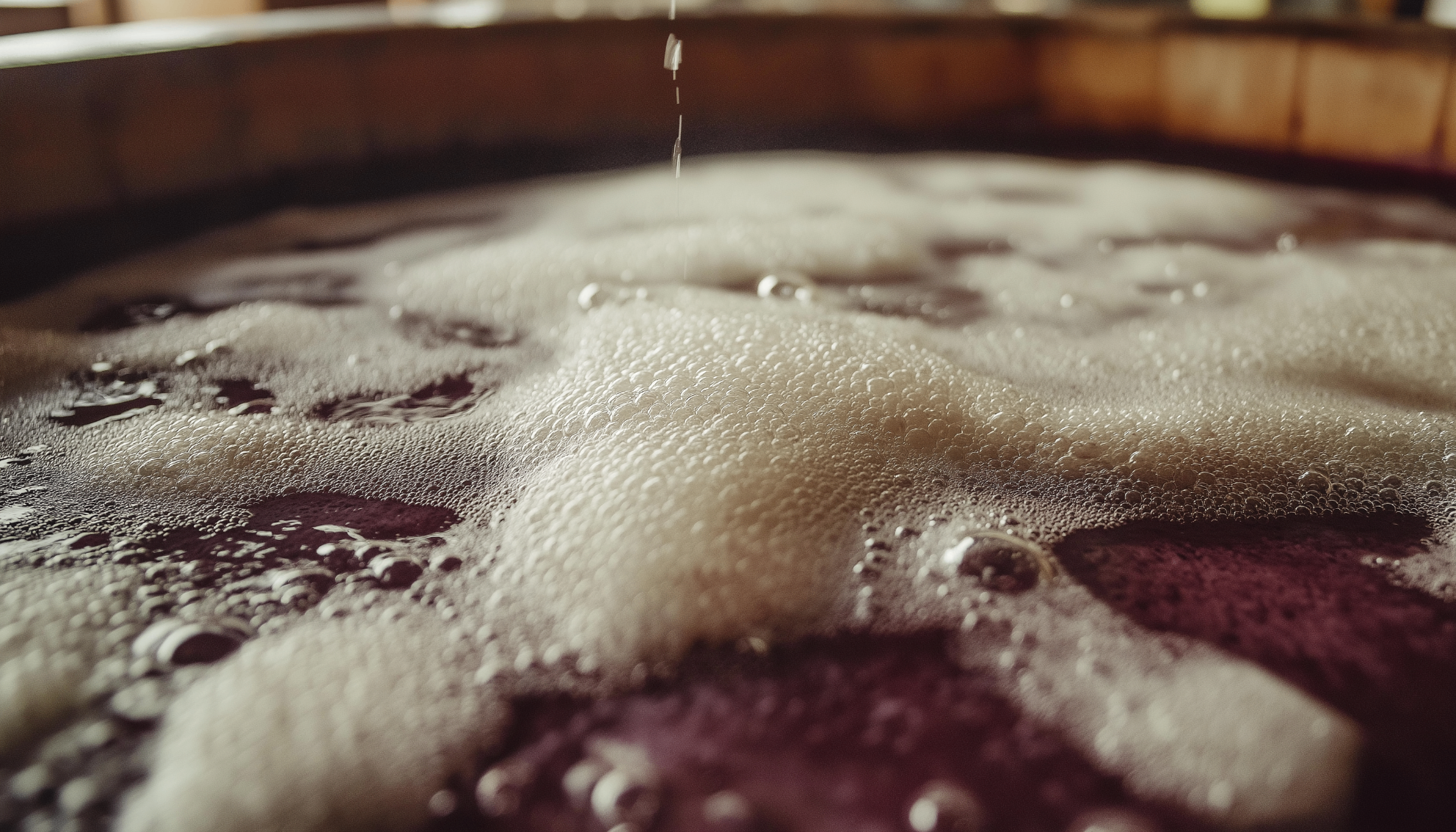
Successful fermentation relies on many factors, but perhaps none is more fundamental than proper yeast nutrition. At the core of yeast nutrition is YAN—Yeast Assimilable Nitrogen—a measure of the nitrogen compounds in grape must that yeast can actually use to build cellular material and enzymes. This article explores the science of YAN, why it matters, and how to manage it effectively for healthier fermentations and better wine.
Why YAN Matters
YAN is the total pool of nitrogen compounds in the must that yeast can actually metabolize. Adequate nitrogen helps yeast grow at the right pace, prevents stuck fermentations, and avoids the formation of sulfur-like off-aromas (particularly hydrogen sulfide, H₂S). On the other hand, excess nitrogen can lead to undesirable microbial growth and other complications. Balancing YAN is therefore a crucial management point for any serious winemaker.
Consequences of Inadequate YAN:
- Slow or Stuck Fermentations: Yeast may struggle to complete fermentation, leaving residual sugar
- Hydrogen Sulfide (H₂S) Production: The infamous "rotten egg" smell that can ruin a wine
- Reduced Yeast Biomass: Fewer yeast cells means less efficient fermentation
- Poor Flavor Development: Stress-related off-flavors and diminished varietal character
Risks of Excessive YAN:
- Increased Heat Generation: Too-vigorous fermentation can be hard to control
- Microbial Instability: Residual nitrogen can feed spoilage organisms later
- Potential for Biogenic Amines: Certain bacteria can convert excess amino acids to problematic compounds
- Ethyl Carbamate Formation: A regulated compound that can form from excess urea
FAN and Ammonia: The Building Blocks
Two primary components of YAN are Free Amino Nitrogen (FAN) and ammonia (measured as NH₃). FAN is nitrogen from amino acids, measured by various assays in the winery lab. Ammonia, meanwhile, typically comes from must analysis or can be added in the form of DAP. Once you know these two numbers—FAN (mg/L) and ammonia as NH₃ (mg/L)—you can estimate your must's current YAN by adding the FAN value to the product of ammonia and 0.8235. This factor is the nitrogen fraction of the ammonia molecule (14.01/17.03), converting whole-ammonia mass to its nitrogen contribution.
YAN Calculation Formula:
YAN (mg/L) = FAN (mg/L) + [Ammonia (mg/L) × 0.8235]
Determining Your Nutrient Needs
-
Calculate Current YAN
Start by measuring or estimating FAN and ammonia from a representative must sample. Multiply ammonia by 0.8235, then add FAN. This sum is your current YAN, in milligrams per liter (mg/L).
-
Decide on a Target YAN
Typical target YAN ranges for most winemaking scenarios fall somewhere between 150 mg/L and 250 mg/L, although high-sugar or sparkling base fermentations can demand higher numbers. Your yeast strain's nutrient requirements and desired wine style also play a role in selecting the right target.
-
Determine the YAN Deficit
Subtract the current YAN from your chosen target. If the result is a negative number, you don't need to add nitrogen. If it's positive, that's your YAN deficit (also in mg/L).
-
Scale for Volume
Multiply the YAN deficit (mg/L) by the total volume of your must (L) to find out how many milligrams of nitrogen you need. Then convert this to grams of nutrient based on whether you're using DAP, an organic nutrient, or a combination.
DAP vs. Organic Nutrients
Although DAP (Diammonium Phosphate) is an inexpensive, powerful source of ammonia nitrogen, relying on it exclusively can sometimes fail to supply the other growth factors yeast need. Organic nutrients (often yeast-derived) provide a broader range of amino acids, vitamins, and minerals, which can support fermentation while also positively influencing flavor and aroma. Many winemakers opt for a partial organic addition (e.g., 60%) plus a smaller share of DAP (e.g., 40%), ensuring both breadth and potency of nitrogen sources.
| Nutrient Type | Nitrogen Content | Benefits | Limitations |
|---|---|---|---|
| DAP | ~21% N | Fast-acting, inexpensive, efficient | Single nutrient source, no vitamins or minerals |
| Organic Nutrients | ~10% N | Diverse nutrient profile, flavor benefits, slower release | More expensive, less concentrated nitrogen |
| 60/40 Organic/DAP Mix | Varies | Balanced approach, combines benefits of both | Requires calculating two separate additions |
If you choose only DAP, remember that pure DAP is roughly 21% assimilable nitrogen by weight. Meanwhile, organic nutrient blends might hover around 10% nitrogen, although specific formulations vary.
Interactive YAN Calculator
Use this calculator to determine your current YAN and calculate the necessary nutrient additions:
YAN Calculator
Measured in the lab or estimated from previous vintages
Primary ammonia present in the must
Calculated as: FAN + (Ammonia × 0.8235)
Calculate Nutrient Additions
Typically 150-250 mg/L for most fermentations
DAP is ~21% nitrogen by weight, while organic nutrients are typically ~10% nitrogen
Recommended Additions:
Best Practices
- Split additions between early and mid-fermentation stages
- Always rehydrate dry yeast with Go-Ferm or similar product
- Higher gravity musts require more YAN
- Different yeast strains have different YAN requirements
- Organic nutrients provide a broader spectrum of nutrients than DAP alone
Real-World Example
Example Scenario:
- FAN: 120 mg/L
- Ammonia: 50 mg/L
- Wine Volume: 1000 L
- Target YAN: 250 mg/L
Step 1: Calculate Current YAN
Current YAN = FAN + (Ammonia × 0.8235)
Current YAN = 120 + (50 × 0.8235)
Current YAN = 120 + 41.2
Current YAN = 161.2 mg/L
Step 2: Determine YAN Deficit
YAN Deficit = Target YAN - Current YAN
YAN Deficit = 250 - 161.2
YAN Deficit = 88.8 mg/L
Step 3: Scale for Volume
Total N needed = YAN Deficit × Volume
Total N needed = 88.8 mg/L × 1000 L
Total N needed = 88,800 mg = 88.8 g of nitrogen
Step 4: Calculate Nutrient Additions (60% Organic, 40% DAP)
Organic N needed = 88.8 g × 0.6 = 53.28 g
DAP N needed = 88.8 g × 0.4 = 35.52 g
Step 5: Convert to Actual Product Amounts
Organic nutrient (assuming 10% N): 53.28 g ÷ 0.10 = 532.8 g
DAP (at 21% N): 35.52 g ÷ 0.21 = 169.1 g
Final Additions: Add 532.8 g of organic nutrient blend and 169.1 g of DAP to achieve your target YAN of 250 mg/L.
Best Practices for YAN Adjustments
- Measure Early: Always test FAN and ammonia from representative samples. YAN levels can vary widely depending on grape variety, vintage, and vineyard practices.
- Avoid Overdosing: Stick to your calculated needs. Too much nitrogen may cause off-flavors and downstream microbial concerns.
- Consider Timing: Splitting additions between early and mid-fermentation helps the yeast maintain consistent health. Dumping everything in at once can sometimes create problems like excessive foaming or rapid yeast overgrowth.
- Check Yeast Requirements: Some yeast strains thrive at higher nitrogen levels, while others are less demanding. Always consult the supplier's guidelines to fine-tune your adjustments.
- Keep Records: Document your initial FAN, ammonia, and final YAN, along with fermentation data. Over time, you'll refine your additions for each variety, style, and yeast strain.
Conclusion
Achieving the right balance of Yeast Assimilable Nitrogen is a critical step toward healthy fermentations and the development of clean, expressive wines. By measuring FAN and ammonia, selecting an appropriate target, and deciding on the best blend of DAP and organic nutrients, you give your fermentation every chance to succeed. Over time, these practices will become second nature, allowing you to focus on the artistry of winemaking while knowing your yeast are well looked after.